Share:





How to boost your sleep hygiene
Did you know, we spend a third of our life asleep? Equating to an average of 26 years in a lifetime, sleep is an essential part of both physical and mental health. However, stress, daily routines and diet can negatively impact our rest. With sleep deprivation being linked with seven of the 15 leading causes of death, it’s vitally important we address our sleep hygiene to get the best rest possible.1
‘Sleep hygiene’ is the term for the healthy habits we follow to promote a good night’s sleep. To find out how to boost your sleep hygiene and enjoy the benefits that good rest can bring, keep on reading.
Signs of poor sleep hygiene:
Do you…
- Use your phone in the bedroom?
- Watch TV in bed before sleep?
- Sleep in a bright room?
- Keep your bedroom warm?
- Clock-watch and worry about not sleeping?
- Have an inconsistent schedule?
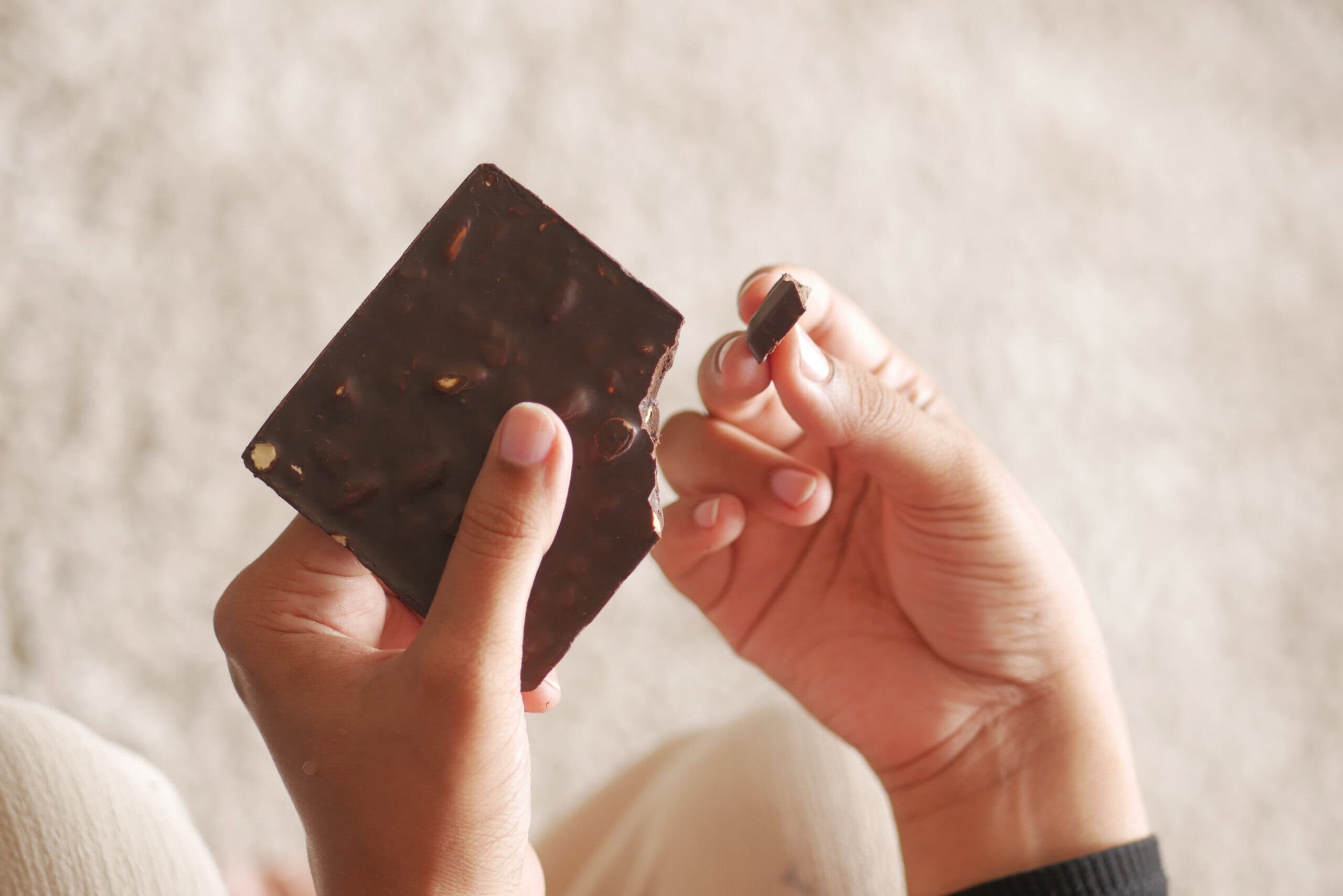
- Eat late night snacks or meals?
If any of the above are regular habits of yours, you may need to improve your sleep hygiene.
Our signature, science-based 12-week Programme is now more affordable with monthly payments.
Get access to 1000+ recipes, 400+ workouts and step-by-step education to help you change your life for the better.
7-day free trial
6 top tips to improve your sleep hygiene:
- Stick to a schedule
Daily routines can act as time cues to help regulate your internal clock, or your ‘circadian rhythm’.2 In fact, one study found that sleep regularity may even have a more dramatic effect on health and mortality than sleep duration.3 To help establish a regular sleep schedule, try setting evening alarms to remind you it’s time to wind down for bed as well as alarms to wake up at the same time each day, including weekends to maintain peak sleep hygiene. - Develop a pre-sleep routine that works for you
Screens have been shown to interfere with our sleep-wake cycle, so try switching devices off an hour before bed and adopt restful routines instead.4 Examples include a warm bath an hour before bed, meditation to switch your mind off ready for rest, or enjoying a nightly herbal tea or Lemon Sleep Blend for a comforting evening beverage. - Stick to a fibre-rich Mediterranean-style diet:
You may wonder what diet has to do with sleep hygiene, however research suggests it has a huge impact on our sleep quality. Consuming too much sugar and carbohydrates can lead to blood glucose spikes that interfere with your sleep later on. Part of good sleep hygiene is enjoying a diet that is rich in nutrients like fibre which help to stabilise blood sugars in the run up to bedtime. A Mediterranean-style diet in particular has been shown to lower the risk of having poor sleep quality and short sleep duration.5 Visit our Programme for hundreds of delicious Mediterranean-style recipes that are rich in sleep-boosting nutrients like fibre.Join our email community
Learn more about The Fast 800 approach to healthy living by receiving our free content, health tips and recipes as well as exclusive offers, delivered straight to your inbox.
- Stop eating three hours before bed:
Eating too close to bedtime can affect your sleep hygiene. When you increase your digestive activity too late in the evening, it raises your body’s core temperature. This can negatively affect your sleep as we rely on a drop in body temperature before bedtime to signal to our body that it should be ready for sleep. Many of our Programme members follow Time Restricted Eating (TRE) meal plans and enjoy their final meal of the day earlier in the evening for maximum health benefits, including the positive effect on sleep.6 - Manage stress:
Sleep hygiene goes hand in hand with stress management. While many of us may not be able to eradicate stress from our lives, there are ways to keep it from impacting your sleep too much. For example, to combat pre-sleep anxiety, write down your worries or tasks before bed to help get them out of your head, or follow a guided meditation to calm your mind. For grounding meditation and mindfulness resources, head to our Programme. - Add exercise to your day:
Studies have found that aerobic exercises like swimming, running or cycling improve sleep quality and are effective in patients with insomnia.7 So try getting outside for a walk with a friend, or swimming a few lengths in a morning to kickstart your way to better sleep. That said, try to keep exercising to day time hours and avoid physical activity too close to sleep. If you want to stay active in the evening, opt for a gentle exercise like yoga that won’t increase your wakefulness.
Sleep hygiene is all about healthy sleep habits. Our Programme includes many tools that can help you boost your sleep hygiene from mindfulness resources to guided workouts, TRE meal plans to our Behavioural Change habit-forming course. Sign up for your 7-day free trial and rest a little easier tonight.
References 
Kochanek KD, Murphy SL, Xu J, Arias E. Mortality in the United States, 2013. NCHS Data Brief. 2014 Dec;(178):1-8. PMID: 25549183.
Moss TG, Carney CE, Haynes P, Harris AL. Is daily routine important for sleep? An investigation of social rhythms in a clinical insomnia population. Chronobiol Int. 2015 Feb;32(1):92-102. doi: 10.3109/07420528.2014.956361. Epub 2014 Sep 4. PMID: 25187987.
Daniel P Windred, Angus C Burns, Jacqueline M Lane, Richa Saxena, Martin K Rutter, Sean W Cain, Andrew J K Phillips, Sleep regularity is a stronger predictor of mortality risk than sleep duration: A prospective cohort study, Sleep, Volume 47, Issue 1, January 2024, zsad253, https://doi.org/10.1093/sleep/zsad253
Arshad D, Joyia UM, Fatima S, Khalid N, Rishi AI, Rahim NUA, Bukhari SF, Shairwani GK, Salmaan A. The adverse impact of excessive smartphone screen-time on sleep quality among young adults: A prospective cohort. Sleep Sci. 2021 Jan-Mar;14(4):337-341. doi: 10.5935/1984-0063.20200114. PMID: 35087630; PMCID: PMC8776263.
Mohammadi, S., Lotfi, K., Mokhtari, E. et al. Association between Mediterranean dietary pattern with sleep duration, sleep quality and brain derived neurotrophic factor (BDNF) in Iranian adults. Sci Rep 13, 13493 (2023). https://doi.org/10.1038/s41598-023-40625-4
Kim H, Jang BJ, Jung AR, Kim J, Ju HJ, Kim YI. The Impact of Time-Restricted Diet on Sleep and Metabolism in Obese Volunteers. Medicina (Kaunas). 2020 Oct 14;56(10):540. doi: 10.3390/medicina56100540. PMID: 33066554; PMCID: PMC7602198.
Alnawwar MA, Alraddadi MI, Algethmi RA, Salem GA, Salem MA, Alharbi AA. The Effect of Physical Activity on Sleep Quality and Sleep Disorder: A Systematic Review. Cureus. 2023 Aug 16;15(8):e43595. doi: 10.7759/cureus.43595. PMID: 37719583; PMCID: PMC10503965.