Share:





What’s more important: diet or exercise?
Asking the question ‘what’s more important: diet or exercise?’ is like asking whether water or sunlight is more important for a plant to grow. Both are essential for plants to thrive in a healthy way, just like a good diet and regular exercise are essential for humans to live a healthy life.
There is a misunderstanding that you can ‘out-train’ a poor diet, eating whatever you want to as long as you exercise enough, but that is a myth. Diet and exercise go hand in hand, and neither one has the ability to cancel the other out. This is why, at The Fast 800, we take a holistic approach to health by including resources for both diet and exercise on our Programme.
Benefits of a healthy diet
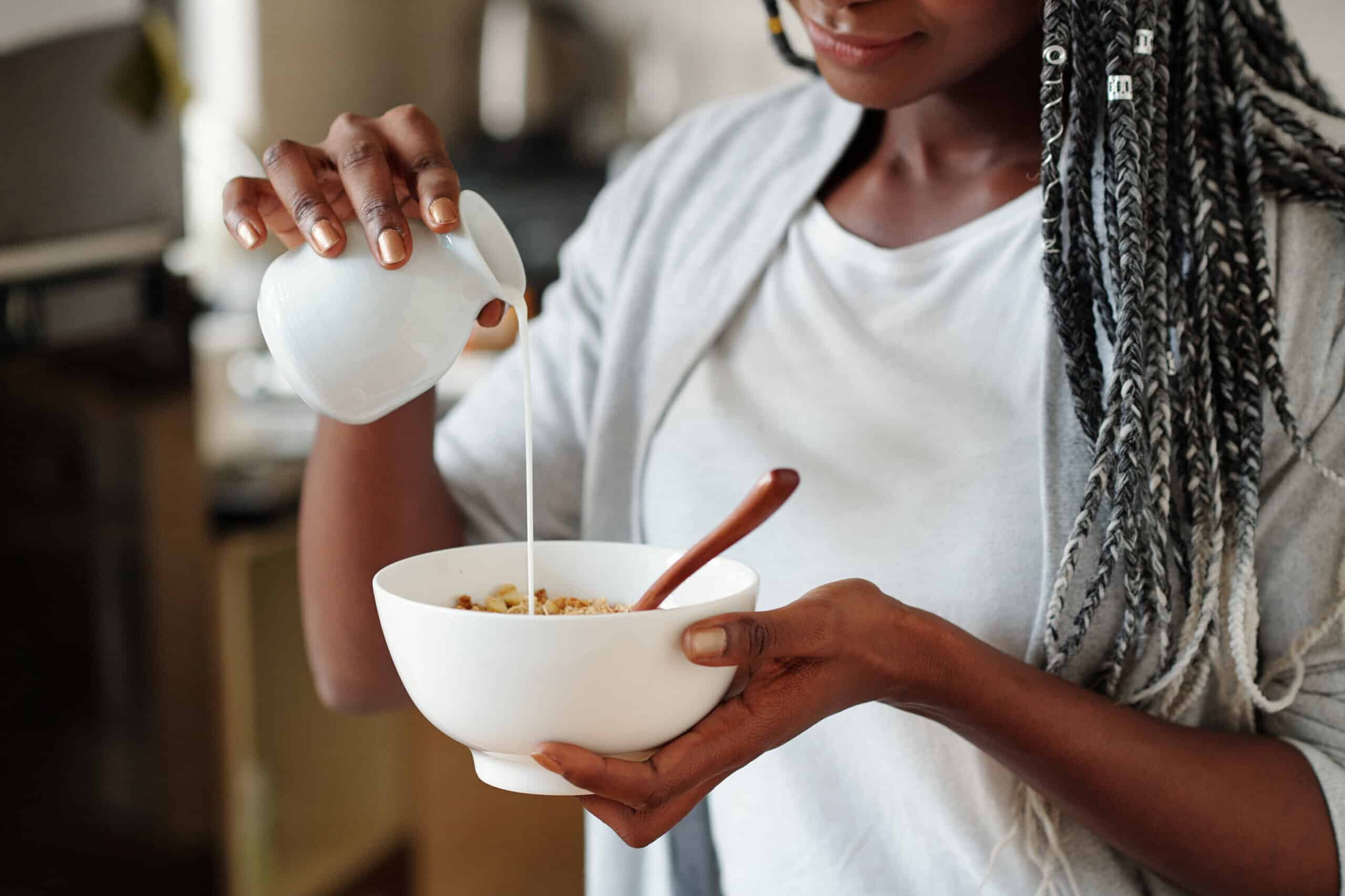
Prioritising a diet rich in protein, fibre, healthy fats, vitamins and minerals, like a Mediterranean-style diet, will reap significant health rewards. Eating a nutritionally abundant diet like this can:
- Achieve weight loss and weight maintenance
- Maintain good bone health and reduce risk of osteoporosis1
- Reduce risk of chronic disease such as cardiovascular disease and Metabolic Syndrome2
- Manage and reduce risk of type 2 diabetes3
- Boost mental health and reduce mental illness symptoms4
- Improve sleep5
- Achieve healthful ageing and longevity6
Tips to improve your diet:
- Prioritise protein: We recommend aiming for 60g of protein per day to stay satiated, aid weight loss and maintain muscle mass. Eating plenty of oily fish, chicken, eggs, tofu and nuts will help you hit that goal, and trying supplements like our Shakes can help boost your intake.
- Embrace healthy fats: Not all fats were created equal, and the healthy kinds provide energy and essential fatty acids and aids the absorption of fat-soluble vitamins A, D, E and K. Nuts, full-fat dairy like Greek yogurt and extra virgin olive oil are ideal sources of healthy fats.
- Load up on fibre: Vegetables like kale, broccoli and Brussels sprouts help you hit the 30g daily fibre goal, keeping your digestion and gut microbiome happy and healthy. Sprinkling seeds over your meals and trying a supplement are a couple of ways to easily up your fibre.
- Limit carbohydrates and UPFs: Reduce or eliminate refined carbohydrates, ultra-processed foods and added sugars, like white bread, pastries and pasta. They can cause sharp blood sugar spikes and impact your ability to maintain a healthy weight.
- Plan your meals: If you’re aiming for a healthier diet by incorporating these key nutrients into your everyday life, planning your meals ahead of time can help. A tool like our Programme provides meal plans, recipes and automated shopping lists to assist with hitting daily nutrient targets.
Our signature, science-based 12-week Programme is now more affordable with monthly payments.
Get access to 1000+ recipes, 400+ workouts and step-by-step education to help you change your life for the better.
Start your 7-day free trial
Benefits of regular exercise
Like a good diet, the benefits of physical movement are extensive. Regardless of how healthily you eat, no healthy lifestyle is complete without exercise as it can:
- Achieve and maintain a healthy body weight and muscle mass7
- Reduce the risk of chronic disease8
- Reduce the risk of type 2 diabetes9
- Build bone density, helping prevent osteoporosis10
- Reduce fatigue and boost energy levels11
- Boost your mood, mental health and self-esteem12
- Improve symptoms of depression, anxiety and ADHD13
- Improve your sleep14
- Boost memory and brain function15
- Reduce your appetite16
- Increase sex drive and satisfaction17
Tips for exercise beginners:
- Try new activities: If you don’t like the thought of running on a treadmill or lifting weights in the gym, try other ways to incorporate movement into your life. There are hundreds of different activities to choose from and once you find one you enjoy it’ll feel more like a hobby and less like a chore.
- Get into a routine: Studies have found that habit-based interventions can help sustain weight loss maintenance and behaviour change.18 So, try forming an exercise habit or routine. Follow a daily workout video like the ones on our Programme, or try incidental exercise while you do other routines like commuting.
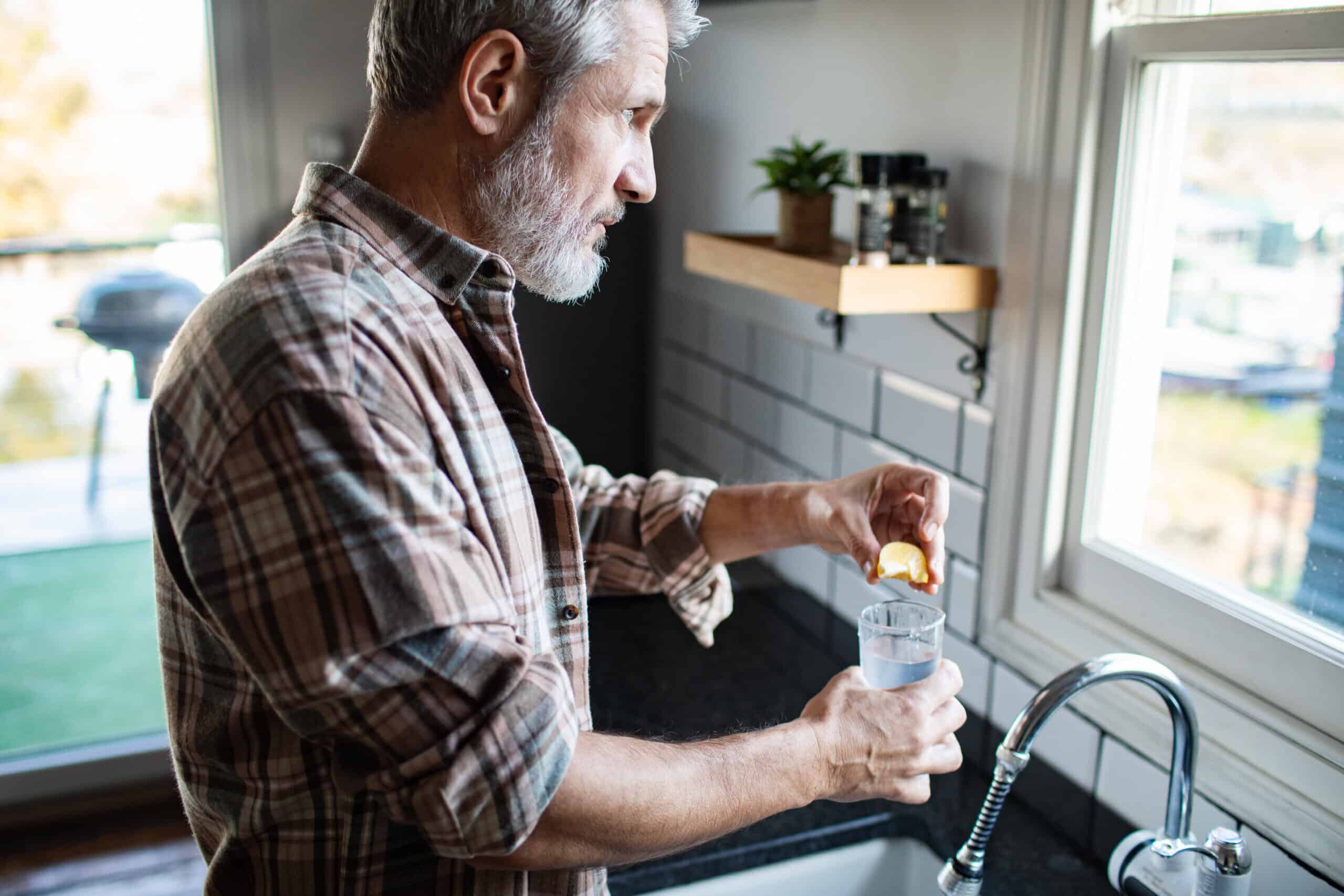
- Stay hydrated: One of the best ways to support your body when starting to exercise is to keep hydrated. Our bodies need water to function, especially when it’s sweating and expending energy during exercise so keep the liquids up.19 Plus, drinking plenty of water can help aid recovery after a workout.
- Join a group: Working out with other people can help keep up exercise motivation, whether you find a workout buddy, partake in a class, or join an online group.20 Our Programme provides you access to our exclusive online Community for this very reason. It’s a supportive space where you can connect with others going through the same health journey as you so you can cheer each other on.
Join our email community
Learn more about The Fast 800 approach to healthy living by receiving our free content, health tips and recipes as well as exclusive offers, delivered straight to your inbox.
- Set small goals: Research has found that setting fitness goals can help with higher exercise adherence, and that expending effort to accomplish a goal leads to better performance.21 For example, aim towards a 5km if you’ve never tried running before, or improve your flexibility in yoga by aiming towards a particular position you can’t yet do.
Which is more important?
The bottom line is that both work hand in hand. While diet drives weight loss, exercise helps determine the kind of weight you lose and is critical for maintaining muscle mass. Plus, aside from their impact on weight management both can positively impact your sleep, mood, energy levels and other factors that impact overall health so it’s vital to prioritise both in a healthy lifestyle.
The Fast 800: The combined approach
While many weight loss programmes often either prioritise diet or exercise, The Fast 800 takes a holistic view. Combining both exercise and diet support, our Programme brings together a match made in metabolic heaven.
Sign up to your 7-day free trial to explore helpful meal plans, hundreds of delicious healthy recipes, automated shopping lists, exercise challenges, guided workout videos, mindfulness resources, an online Community and so much more. Discover for yourself the powerful duo of diet and exercise and how, together, they make an unbeatable team at transforming your health.
References 
Hannan, M.T., Tucker, K.L., Dawson-Hughes, B., Cupples, L.A., Felson, D.T. and Kiel, D.P. (2000), Effect of Dietary Protein on Bone Loss in Elderly Men and Women: The Framingham Osteoporosis Study. J Bone Miner Res, 15: 2504-2512. https://doi.org/10.1359/jbmr.2000.15.12.2504
Emilio Ros, et al. Mediterranean Diet and Cardiovascular Health: Teachings of the PREDIMED Study, Advances in Nutrition, Volume 5, Issue 3, May 2014, Pages 330S–336S, https://doi.org/10.3945/an.113.005389
https://www.nhs.uk/conditions/type-2-diabetes/treatment/
Jacka, F.N., O’Neil, A., Opie, R. et al. A randomised controlled trial of dietary improvement for adults with major depression (the ‘SMILES’ trial). BMC Med 15, 23, 2017, https://doi.org/10.1186/s12916-017-0791-y
Godos J, et al. Adherence to the Mediterranean Diet is Associated with Better Sleep Quality in Italian Adults. Nutrients. 2019 Apr 28;11(5):976. doi: 10.3390/nu11050976. PMID: 31035395; PMCID: PMC6566275.
Crous-Bou M, et al. Mediterranean diet and telomere length in Nurses’ Health Study: population based cohort studyBMJ 2014; 349 :g6674 doi:10.1136/bmj.g6674
Gim, M. and Choi, J., 2016. The effects of weekly exercise time on VO2max and resting metabolic rate in normal adults. [Online] National Library of Medicine. Available at: <https://pubmed.ncbi.nlm.nih.gov/27190483/
Anderson E, Durstine JL. Physical activity, exercise, and chronic diseases: A brief review. Sports Med Health Sci. 2019 Sep 10;1(1):3-10. doi: 10.1016/j.smhs.2019.08.006. PMID: 35782456; PMCID: PMC9219321.
Colberg SR, Sigal RJ, Fernhall B, Regensteiner JG, Blissmer BJ, Rubin RR, Chasan-Taber L, Albright AL, Braun B; American College of Sports Medicine; American Diabetes Association. Exercise and type 2 diabetes: the American College of Sports Medicine and the American Diabetes Association: joint position statement. Diabetes Care. 2010 Dec;33(12):e147-67. doi: 10.2337/dc10-9990. PMID: 21115758; PMCID: PMC2992225.
Zhang S, Huang X, Zhao X, Li B, Cai Y, Liang X, Wan Q. Effect of exercise on bone mineral density among patients with osteoporosis and osteopenia: A systematic review and network meta-analysis. J Clin Nurs. 2022 Aug;31(15-16):2100-2111. doi: 10.1111/jocn.16101. Epub 2021 Nov 1. PMID: 34725872.
Wender CLA, Manninen M, O’Connor PJ. The Effect of Chronic Exercise on Energy and Fatigue States: A Systematic Review and Meta-Analysis of Randomized Trials. Front Psychol. 2022 Jun 3;13:907637. doi: 10.3389/fpsyg.2022.907637. PMID: 35726269; PMCID: PMC9206544.
Anderson, E, and Shivakumar, G., 2013. Effects of exercise and physical activity on anxiety. [Online] National Library of Medicine. Available at: <https://pubmed.ncbi.nlm.nih.gov/23630504/ >
Sharma, A, et al.., 2006. Exercise for mental health. [Online] National Library of Medicine. Available at: <https://www.ncbi.nlm.nih.gov/pmc/articles/PMC1470658/
De Paz-Montón LP, Carmona-Torres JM, López-Fernández-Roldán Á, Molina-Madueño RM, Navarrete-Tejero C, Laredo-Aguilera JA. Physical exercise programmes to improve insomnia or poor sleep quality in non-hospitalised elderly people: a systematic review and meta-analysis. PeerJ. 2026 Feb 16;14:e20764. doi: 10.7717/peerj.20764. PMID: 41727231; PMCID: PMC12919316.
Loprinzi PD, Roig M, Etnier JL, Tomporowski PD, Voss M. Acute and Chronic Exercise Effects on Human Memory: What We Know and Where to Go from Here. J Clin Med. 2021 Oct 20;10(21):4812. doi: 10.3390/jcm10214812. PMID: 34768329; PMCID: PMC8584999.
Caruso L, Zauli E, Vaccarezza M. Physical Exercise and Appetite Regulation: New Insights. Biomolecules. 2023 Jul 27;13(8):1170. doi: 10.3390/biom13081170. PMID: 37627235; PMCID: PMC10452291.
Lara LA, Ramos FK, Kogure GS, Costa RS, Silva de Sá MF, Ferriani RA, dos Reis RM. Impact of Physical Resistance Training on the Sexual Function of Women with Polycystic Ovary Syndrome. J Sex Med. 2015 Jul;12(7):1584-90. doi: 10.1111/jsm.12909. Epub 2015 May 18. PMID: 25982537.
Cleo, G, et al.., 2017. Could habits hold the key to weight loss maintenance? A narrative review. [Online] National Library of Medicine. Available at: <https://pubmed.ncbi.nlm.nih.gov/28150402/
Coyle EF. Fluid and fuel intake during exercise. J Sports Sci. 2004 Jan;22(1):39-55. doi: 10.1080/0264041031000140545. PMID: 14971432.
Mema, E et al. Social Influences on Physical Activity for Establishing Criteria Leading to Exercise Persistence. 19th Oct 2022. Accessed 26th July 2024: https://doi.org/10.1371/journal.pone.0274259
Paxton RJ, Taylor WC, Hudnall GE, Christie J. Goal Setting to Promote a Health Lifestyle. Int Proc Chem Biol Environ Eng. 2012;39:101-105. PMID: 24482731; PMCID: PMC3904755.