Share:





6 Pillars of Lifestyle Medicine
When focusing on how to live healthier, a holistic approach is the most effective strategy.1 Lifestyle medicine encapsulates six key foundational pillars that determine long-term health and vitality: nutrition, physical activity, restorative sleep, stress management, avoiding risky substances and social connection.
Though many people focus on one area, true metabolic health comes when we harmonise all six pillars. Find out below how to live healthier by adopting the lifestyle medicine approach.
What are the 6 pillars of lifestyle medicine?
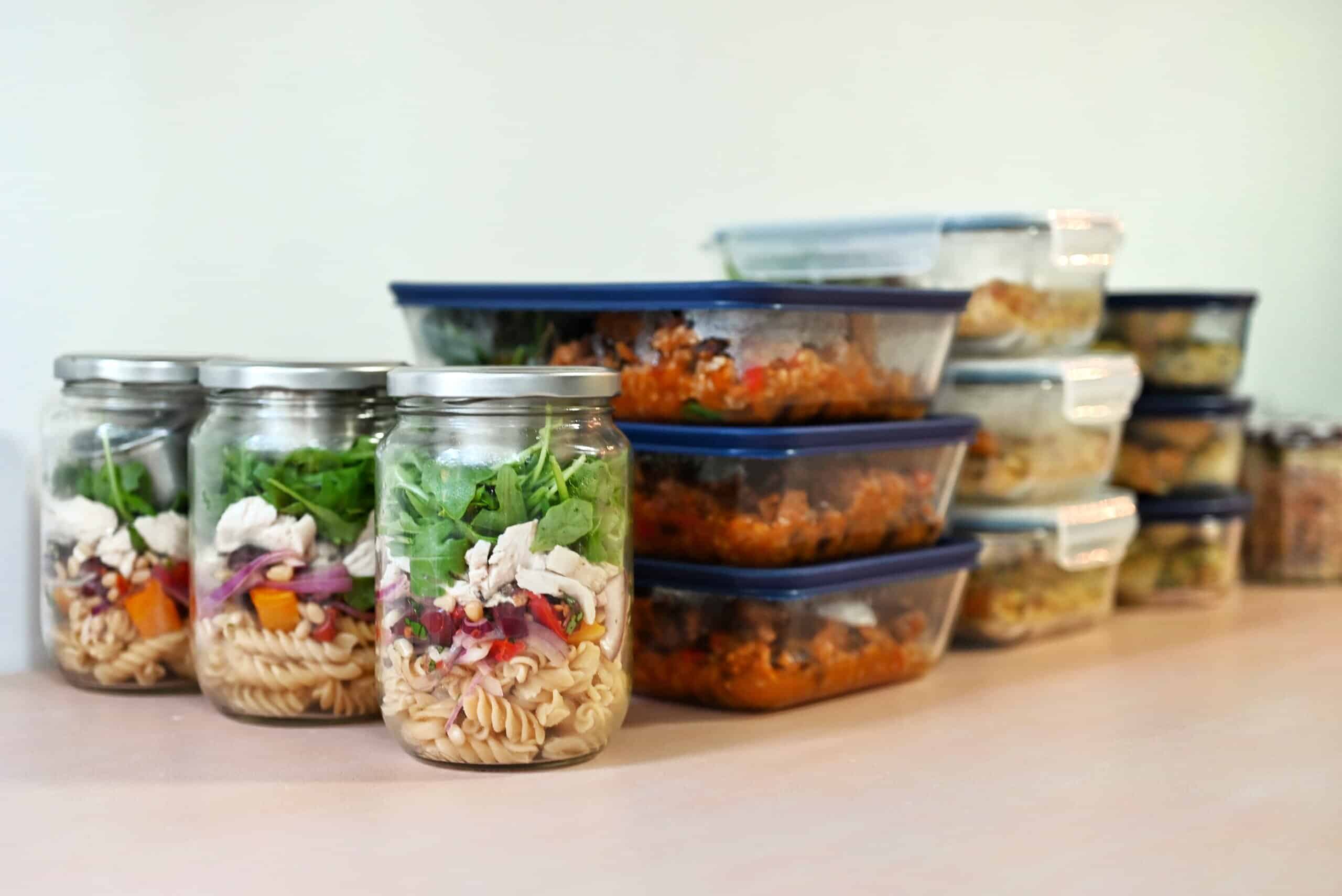
1. Nutrition: When thinking about how to live healthier, tackling diet is a good place to start. Tissue-repairing protein, gut-loving fibre and satiating healthy fats are key to physical and mental wellness. Specifically, research shows that a moderately low-carb, Mediterranean-style diet is uniquely able to restore your body to its ideal weight, and reduce your risk of chronic disease.2
- Get started: Discover the best foods for your health here, and learn the power of the Mediterranean diet.
Our signature, science-based 12-week Programme is now more affordable with monthly payments.
Get access to 990+ recipes, 250+ workouts and step-by-step education to help you change your life for the better.
7-day free trial
2. Physical Activity: Regular exercise is an essential part of a healthy life. Benefits include assisting with fat loss, reducing your risk of diseases like type 2 diabetes and cardiovascular disease, boosting energy levels, aiding sleep and improving overall mood.3 4 5
- Get started: Head here to see our top tips for implementing an exercise routine.
3. Restorative Sleep: The power of good sleep is often underestimated when it comes to how to live healthier. Our sleep is key to optimal immune health, weight management, mood and cell repair.6
- Top tip: Studies show that getting a bath or hot shower an hour before bedtime can help you drift off quicker as the rise and then fall in body temperature signals to your body that it’s ready for sleep.7
4. Stress Management: Recent studies have highlighted the role stress has on our overall health, revealing that chronic stress puts your health at risk.8 Excessive cortisol exposure disrupts most of the body’s processes, including digestion, memory, mood regulation and weight management.9 If you can reduce your daily stress, you’ll not only be happier, you’ll be healthier too.
- Top tip: Give mindfulness a go, whether you follow a quick morning meditation or engage in mindful eating. It’s been shown to decrease cortisol levels and improve blood sugar levels as a result.10
5. Avoiding Risky Substances: There are several substances to avoid if you’re focusing on how to live healthier. Smoking, vaping, recreational drugs and excessive alcohol negatively affect your health, increasing your risk of chronic diseases and reducing your longevity.11 12
- Get started: Explore alternatives to alcoholic beverages here, and learn how to manage alcohol intake during celebrations.
6. Social Connection: Humans are social beings, and connection with others is a key part of a healthy life. It’s so essential that isolation has actually been linked to earlier death.13 It’s a key lifestyle medicine pillar and strong social ties can add healthful years to your life.
- Top tip: Bond with friends and family while taking care of other lifestyle medicine pillars by going for long walks in nature or enjoying a nutritious dinner together. Additionally, make use of online communities to build social ties with like-minded individuals no matter where you are.
Join our email community
Learn more about The Fast 800 approach to healthy living by receiving our free content, health tips and recipes as well as exclusive offers, delivered straight to your inbox.
How The Fast 800 targets all lifestyle medicine pillars
The Fast 800 was founded on looking at how to live a healthier life. It’s a guided plan that uses the six pillars to help you thrive, taking the planning out of the equation so you can concentrate on enjoying tasty food and energising exercises.
Here’s how we do it:
- Nutrition: Our helpful meal plans ensure you’re hitting nutrient targets everyday. Plus, we share hundreds of Mediterranean-style recipes that are easy to follow and, of course, delicious to eat.
- Physical Activity: Our exercise courses are all focused around how to live a healthier life. Video tutorials guide you through home workouts from beginner to intermediate fitness levels, including yoga, Pilates and more.
- Restorative Sleep: Not only do our Mediterranean-style meal plans naturally support good sleep, you’ll also find mindfulness resources and sleep articles targeted at transforming your sleep hygiene.14
- Stress Management: Our mindfulness resources are invaluable for providing moments of relaxation to reduce daily stress. Plus, taking the planning and decision-making out of your weekly meal prep can reduce stress in itself.
- Avoiding Risky Substances: We regularly share our Health Coaches’ favourite tasty alcohol alternatives to help you cut back. Plus our Behavioural Change programme is there to help you kick any other health-risking habits.
- Social Connection: A member-favourite aspect of the Programme is the exclusive Community. This interactive platform enables you to chat with like-minded members who are also concentrating on how to live a healthier life.
To get started with targeting the six pillars of lifestyle medicine, sign up to your 7-day free trial of The Fast 800 Programme here. Focusing on how to live a healthier life today is sure to lead to a healthier, happier you tomorrow.
References 
Rippe JM. Lifestyle Medicine: The Health Promoting Power of Daily Habits and Practices. Am J Lifestyle Med. 2018 Jul 20;12(6):499-512. doi: 10.1177/1559827618785554. PMID: 30783405; PMCID: PMC6367881.
Emilio Ros, et al. Mediterranean Diet and Cardiovascular Health: Teachings of the PREDIMED Study, Advances in Nutrition, Volume 5, Issue 3, May 2014, Pages 330S–336S, https://doi.org/10.3945/an.113.005389
https://www.ncbi.nlm.nih.gov/pubmed/26917992
https://www.ncbi.nlm.nih.gov/pubmed/18277063
https://www.ncbi.nlm.nih.gov/pmc/articles/PMC4241367/
University Of Chicago Medical Center. “Sleep Loss Boosts Appetite, May Encourage Weight Gain.” ScienceDaily. ScienceDaily, 7 December 2004
https://www.sciencedirect.com/science/article/abs/pii/S1087079218301552?via%3Dihub
The Ohio State University Wexner Medical Center. “Study links stress hormone with higher blood sugar in Type 2 diabetes.” ScienceDaily. ScienceDaily, 13 July 2020.
Yaribeygi H, Panahi Y, Sahraei H, Johnston TP, Sahebkar A. The impact of stress on body function: A review. EXCLI J. 2017;16:1057-1072. Published 2017 Jul 21. doi:10.17179/excli2017-480
Miller CK. Mindful Eating With Diabetes. Diabetes Spectr. 2017;30(2):89-94. doi:10.2337/ds16-0039
Jun S, Park H, Kim UJ, Choi EJ, Lee HA, Park B, Lee SY, Jee SH, Park H. Cancer risk based on alcohol consumption levels: a comprehensive systematic review and meta-analysis. Epidemiol Health. 2023;45:e2023092. doi: 10.4178/epih.e2023092. Epub 2023 Oct 16. PMID: 37905315; PMCID: PMC10867516.
Sun K, Ren M, Liu D, Wang C, Yang C, Yan L. Alcohol consumption and risk of metabolic syndrome: a meta-analysis of prospective studies. Clin Nutr. 2014 Aug;33(4):596-602. doi: 10.1016/j.clnu.2013.10.003. Epub 2013 Oct 14. PMID: 24315622.
Martino J, Pegg J, Frates EP. The Connection Prescription: Using the Power of Social Interactions and the Deep Desire for Connectedness to Empower Health and Wellness. Am J Lifestyle Med. 2015 Oct 7;11(6):466-475. doi: 10.1177/1559827615608788. PMID: 30202372; PMCID: PMC6125010.
Mohammadi, S., Lotfi, K., Mokhtari, E. et al. Association between Mediterranean dietary pattern with sleep duration, sleep quality and brain derived neurotrophic factor (BDNF) in Iranian adults. Sci Rep 13, 13493 (2023). https://doi.org/10.1038/s41598-023-40625-4